A Beginner’s Guide to Sustainable Office Design in Connecticut
Understanding Sustainable Office Design
As businesses in Connecticut become more environmentally conscious, sustainable office design is gaining momentum. This approach not only minimizes environmental impact but also enhances employee well-being and reduces operational costs. By choosing sustainable design, companies can create a productive and eco-friendly workspace.
Sustainable office design involves using eco-friendly materials, optimizing energy use, and integrating nature into the work environment. Understanding these elements is crucial for creating a space that is both functional and sustainable.

Eco-Friendly Materials
Choosing the Right Materials
Opting for sustainable materials is a fundamental step in eco-friendly office design. This includes using recycled or renewable materials like bamboo, reclaimed wood, or sustainably sourced textiles. These materials are not only environmentally friendly but also add a unique aesthetic to the workspace.
In Connecticut, local sourcing of materials can reduce the carbon footprint associated with transportation. Consider working with local suppliers to ensure your materials align with sustainability goals.

Energy Efficiency
Lighting and Energy Use
Maximizing energy efficiency is key in sustainable office design. Implementing LED lighting and smart control systems can significantly reduce energy consumption. Additionally, incorporating natural light through large windows or skylights not only saves energy but also improves employee mood and productivity.
Using energy-efficient appliances and HVAC systems can further enhance sustainability. Regular maintenance ensures these systems operate at optimal efficiency, reducing energy wastage.

Incorporating Nature
Biophilic Design Elements
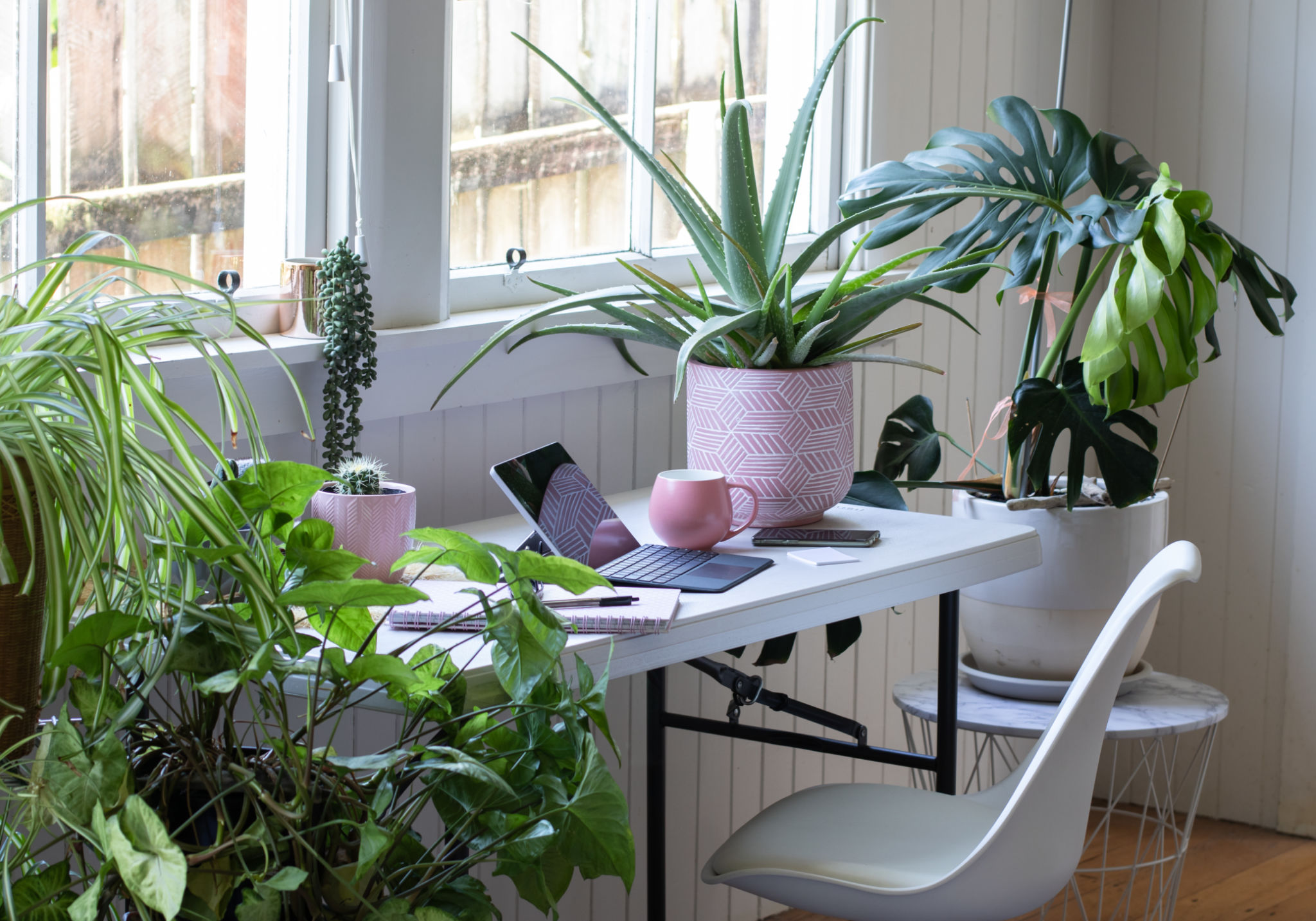
Biophilic design, which integrates natural elements into the workspace, is an essential aspect of sustainable office design. This includes adding indoor plants, green walls, or water features, which can improve air quality and create a calming atmosphere.
Incorporating nature into the office design can lead to healthier and happier employees, boosting productivity and creativity. It's a simple yet effective way to enhance the work environment.
Waste Management
Reducing and Recycling
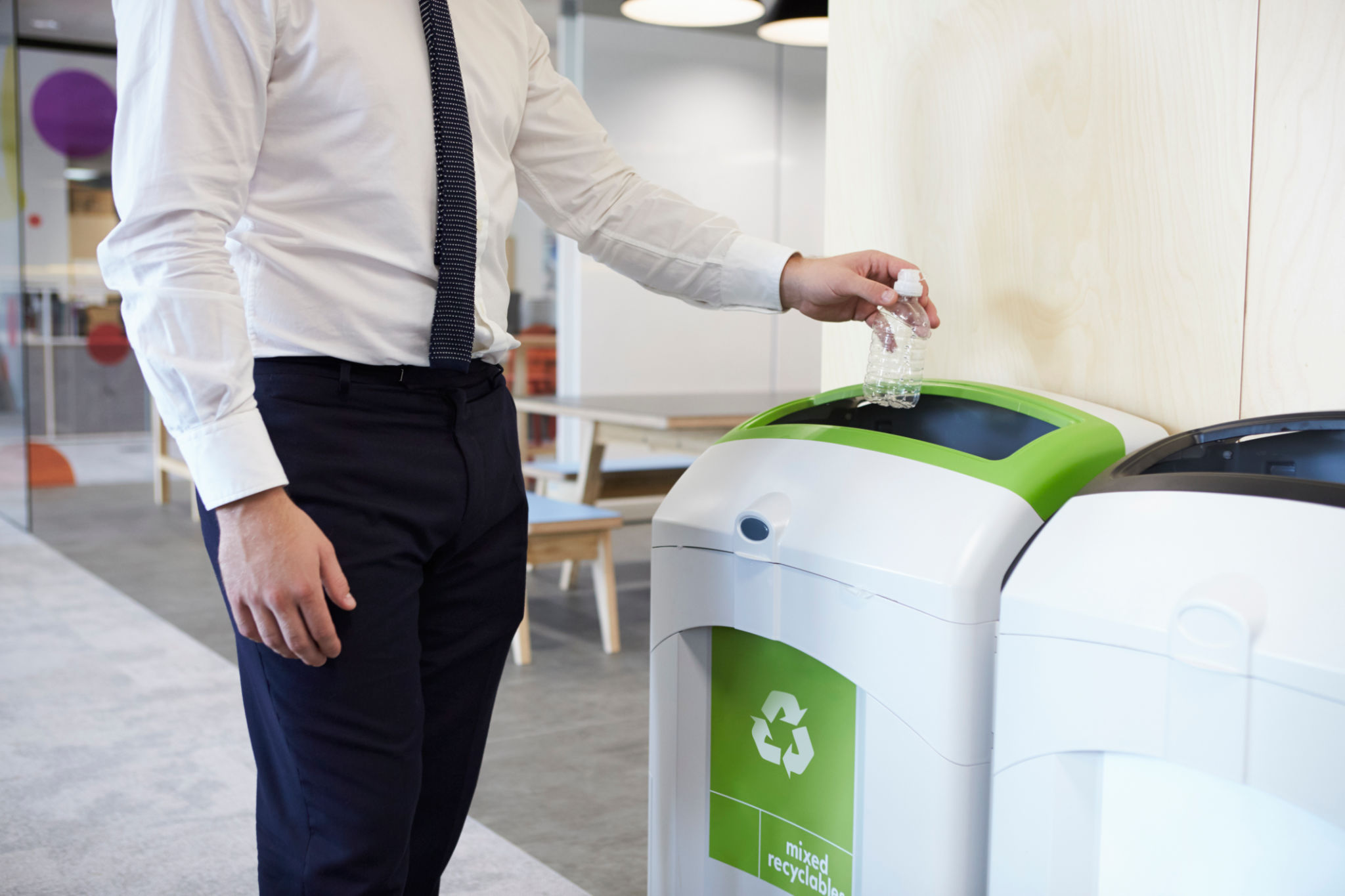
Efficient waste management is crucial for maintaining a sustainable office. Implement recycling programs and encourage employees to minimize waste. Providing clearly labeled recycling bins for paper, plastic, and organic waste can make recycling straightforward and effective.
Consider adopting a digital-first approach to reduce paper waste. Encourage the use of digital documents and cloud storage instead of printed materials, contributing to a more sustainable office environment.
Employee Engagement
Promoting a Sustainable Culture
Engaging employees in sustainability initiatives is vital for long-term success. Encourage participation through workshops, sustainability challenges, and incentives for eco-friendly practices. Creating a culture of sustainability ensures that everyone in the organization is committed to the cause.
Regularly communicating the benefits and progress of sustainability efforts keeps employees motivated and informed. This collective effort contributes significantly to achieving a truly sustainable office design.